Albany Drug Crimes Defense Attorney Fighting for Your Rights from the First Call
New York's drug laws have changed significantly in recent years — but a charge still carries serious consequences, and the way police obtained the evidence against you matters as much as what they found. At Finn Law, we review every drug case from the ground up before recommending any path forward.
New York Drug Charges: What You're Actually Facing
New York has overhauled its drug laws in recent years. The Marihuana Regulation and Taxation Act legalized adult-use cannabis, and revised Criminal Possession of a Controlled Substance statutes have changed how certain quantities and substances are charged. If you're searching for answers, you may have already found that a lot of the information online is outdated. Here's where things stand now.
Drug charges in New York still range from misdemeanors to serious felonies depending on the substance, quantity, and alleged intent. The most common charges we defend include:
- Criminal Possession of a Controlled Substance (CPCS) — Degrees 1 through 7, ranging from a Class A misdemeanor to a Class A-I felony carrying up to life in prison
- Criminal Sale of a Controlled Substance — Felony-level charges that escalate significantly based on the substance and quantity sold
- Possession of Drug Paraphernalia — Often charged alongside possession, sometimes as a standalone
- Prescription Fraud — Obtaining controlled substances through forged, altered, or fraudulent prescriptions
Criminal Possession of a Controlled Substance
CPCS charges are graded by degree in New York, and the degree depends on the type of controlled substance and the weight involved. A 7th-degree charge — the lowest — is a Class A misdemeanor. A 1st-degree charge involves large quantities of narcotics and is a Class A-I felony. The difference between degrees can mean the difference between a fine and a decade in prison, which is why understanding the specific charge against you is the first step.
Criminal Sale of a Controlled Substance
Sale charges carry heavier penalties than possession charges for the same substance and quantity. New York treats any transfer — not just a commercial transaction — as a potential sale. Even sharing a controlled substance with another person can result in a felony sale charge. If you're facing a sale charge, the prosecution's theory of the case matters, and we examine it carefully.
Prescription Fraud
Prescription fraud charges typically involve obtaining controlled substances — most often opioids or stimulants — through forged or altered prescriptions, or by misrepresenting a medical condition to a provider. These cases frequently involve both state criminal charges and potential federal exposure, particularly when multiple prescriptions or multiple providers are involved across state lines.
Federal Drug Charges
Federal drug charges operate under a different set of rules than state charges — and the consequences are substantially more severe. Federal law imposes mandatory minimum sentences that judges have limited ability to reduce, regardless of individual circumstances. If you're under federal investigation for drug trafficking or distribution, you need an attorney admitted to federal court. We are admitted in federal court and have handled cases at that level. This is not a credential to overlook when your freedom is at stake.
Paraphernalia Charges
Possession of drug paraphernalia is a violation under New York law, not a criminal offense — but it is frequently charged alongside possession counts and can affect how prosecutors approach your case overall. We address every charge on the table, not just the most serious one.
How They Found It Matters as Much as What They Found
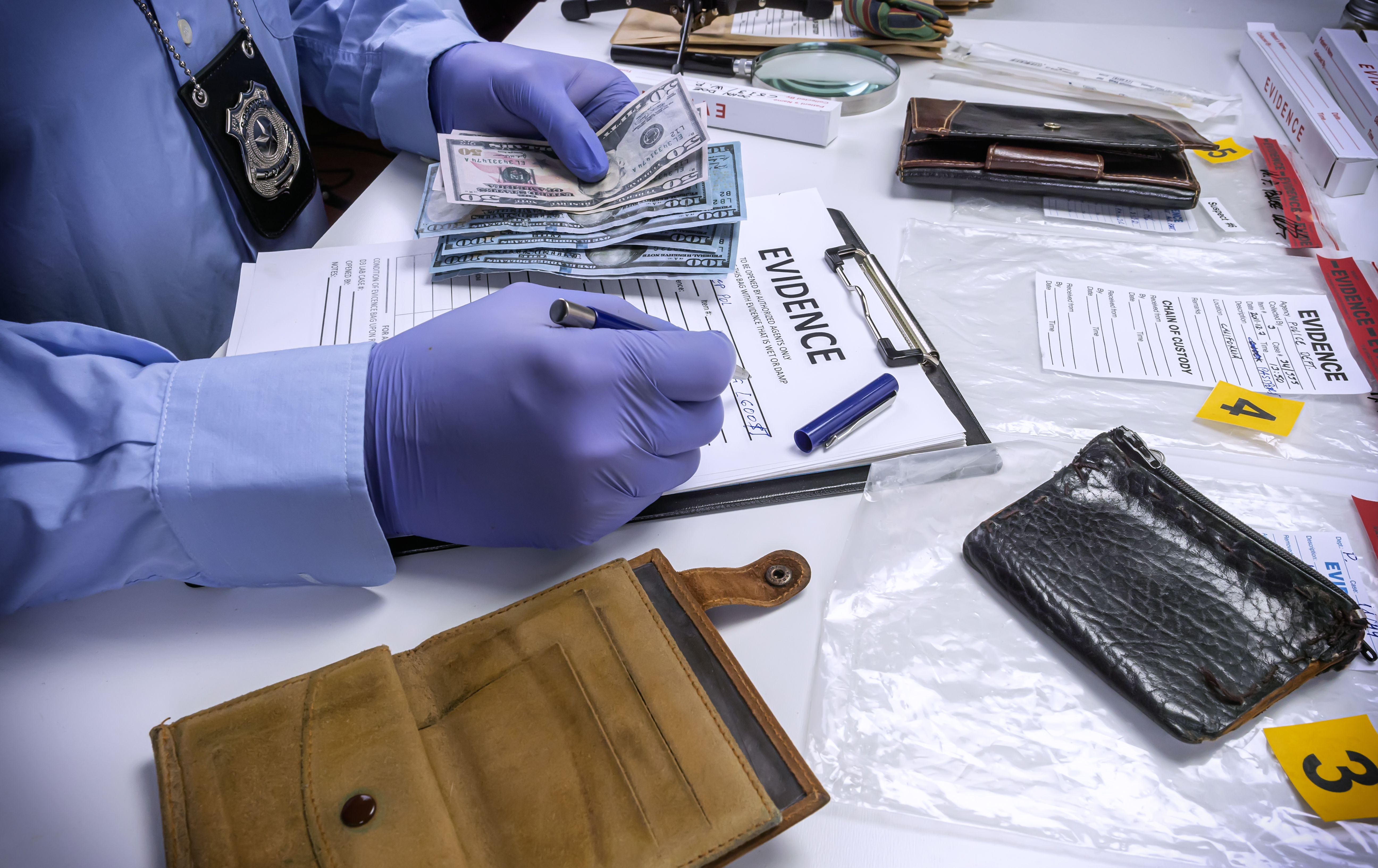
The most effective defense strategy in drug cases in New York is often a Fourth Amendment challenge. If police obtained the evidence against you through an unlawful traffic stop, a search without probable cause, or a search that exceeded the scope of a warrant, that evidence may be suppressible — meaning it cannot be used against you at trial.
A successful suppression motion can result in charges being reduced or dismissed entirely. We examine the precise circumstances of every stop, search, and seizure before advising on strategy. The questions we ask include:
- Was the traffic stop based on a valid legal justification, or was it pretextual?
- Did police have probable cause to search the vehicle, your person, or your home?
- If a warrant was used, did the search stay within its scope?
- Were your Miranda rights honored before any questioning?
- Was any consent to search truly voluntary, or obtained through pressure?
If the answer to any of these questions points to a constitutional violation, we file to suppress the evidence. That motion changes the entire posture of the case.
First Offense Doesn't Mean Automatic Conviction
If you've never been in trouble before, the prospect of a drug charge feels catastrophic. We understand that. What we also know is that New York offers meaningful alternatives to prosecution and incarceration for first-time and some repeat offenders — and we evaluate every client's eligibility before recommending any other path.
Drug diversion programs and Alternatives to Incarceration (ATI) exist precisely for situations like yours. Depending on your charge, your history, and the county where your case is pending, you may be eligible for:
- Drug Treatment Court — A structured program combining supervision, treatment, and court appearances, with dismissal of charges upon successful completion
- Adjournment in Contemplation of Dismissal (ACD) — A conditional pause in prosecution that results in dismissal if you meet specified conditions over a set period
- Conditional Discharge — A sentence that avoids incarceration while requiring compliance with specific conditions
- TASC (Treatment Alternatives to Street Crime) — A diversion program connecting defendants with treatment services as an alternative to incarceration
These are not guaranteed outcomes — they depend on the specifics of your case. But they are options worth knowing about before you make any decisions, and we explore every one of them on your behalf.
A Plea Deal Is a Last Resort, Not a First Suggestion
Some attorneys move clients toward plea agreements quickly — it's efficient for a high-volume practice. We operate differently. We take fewer cases and invest more time in each one, which means you get a real evaluation of your options before any permanent decision is made.
We review the full evidentiary record, assess the strength of any constitutional challenges, determine your eligibility for diversion programs, and give you an honest picture of where things stand. If a plea agreement ultimately makes sense given the facts, we'll tell you that plainly. But we won't recommend it as a default, and we won't let you make a permanent decision without understanding your actual alternatives first.
Drug Defense Across Albany and Upstate New York
We handle drug crime cases in Albany and throughout the Capital District and upstate New York, including Schenectady, Troy, Saratoga Springs, and Glens Falls. Whether your case is pending in City Court, County Court, or federal district court, we know the courts, the prosecutors, and the procedures that matter in this region.
What Our Clients Have Recovered
Drug Crimes Defense — Frequently Asked Questions
What is the penalty for drug possession in New York?
It depends on the substance and quantity involved. Seventh-degree criminal possession — the lowest level — is a Class A misdemeanor carrying up to one year in jail. First-degree possession, which involves large quantities of narcotics, is a Class A-I felony with a potential sentence of up to life in prison. Most drug possession charges fall somewhere between those extremes, and the specific degree of the charge is the first thing we analyze.Can drug charges be dropped if the search was illegal?
Yes. If police obtained evidence through an unlawful stop, a warrantless search without probable cause, or a search that exceeded a warrant's scope, we can file a suppression motion to exclude that evidence. If the motion succeeds and the prosecution's case depends on the suppressed evidence, charges are frequently reduced or dismissed.Is marijuana still illegal in New York?
Adult-use cannabis is legal in New York under the Marihuana Regulation and Taxation Act. Adults 21 and over may possess up to three ounces of cannabis and up to 24 grams of concentrated cannabis. Possession above those limits, sale without a license, and distribution to minors remain illegal. If your charge involves cannabis, the quantity and circumstances matter significantly to how the law applies.What are my options if this is my first drug offense?
New York offers several diversion programs for first-time offenders, including Drug Treatment Court, Adjournment in Contemplation of Dismissal, and TASC referrals. Eligibility depends on the specific charge, the county where your case is pending, and your history. We evaluate every client's eligibility for these programs before recommending any other course of action.Do federal drug charges work differently than state charges?
Yes, significantly. Federal drug charges frequently carry mandatory minimum sentences that judges cannot reduce below, regardless of individual circumstances. The federal sentencing guidelines are also more rigid than New York state sentencing. If you're facing a federal drug investigation or indictment, you need an attorney admitted to federal court — we are, and we handle cases at the federal level.
Your Case Deserves More Than a Quick Plea
A drug charge can follow you for years. Before you make any decisions — before you talk to prosecutors, before you accept anything — talk to us. We review the stop, the search, the evidence, and your eligibility for every available program. Then we give you a straight answer about where things stand.
Call 518-928-1152 or submit a contact form to request a free consultation. Ryan Finn personally reviews every inquiry and responds when he believes he can help.